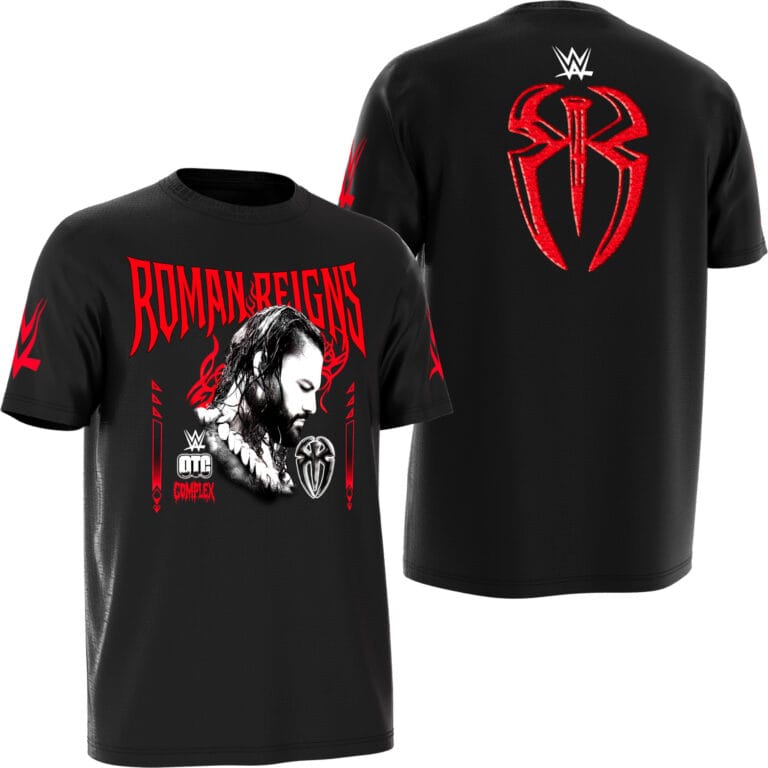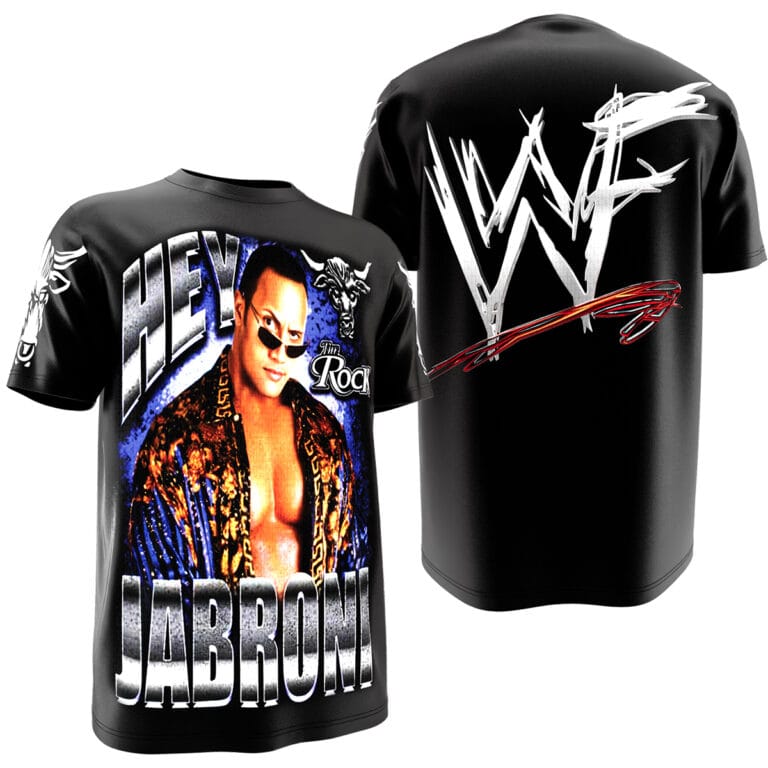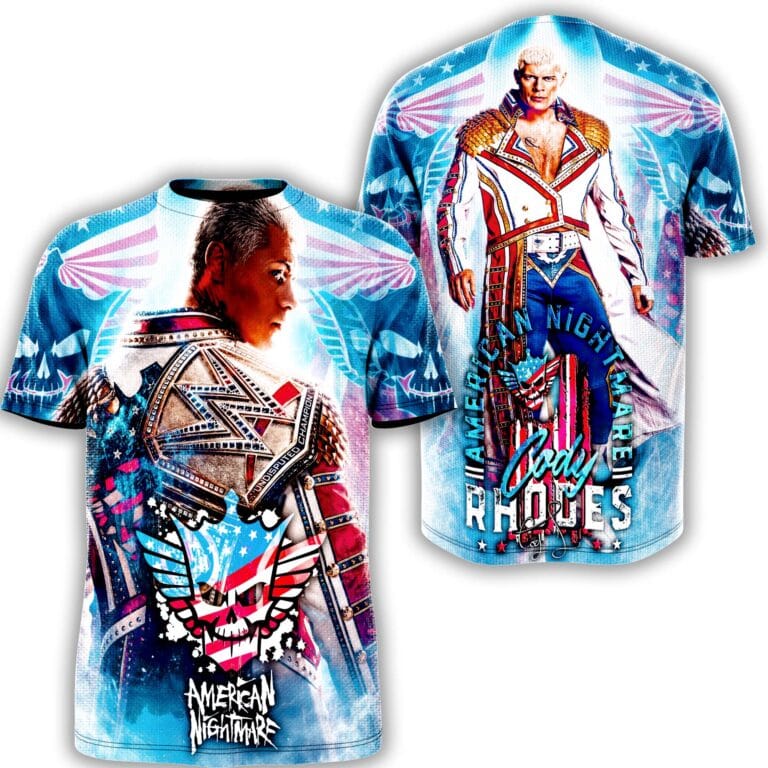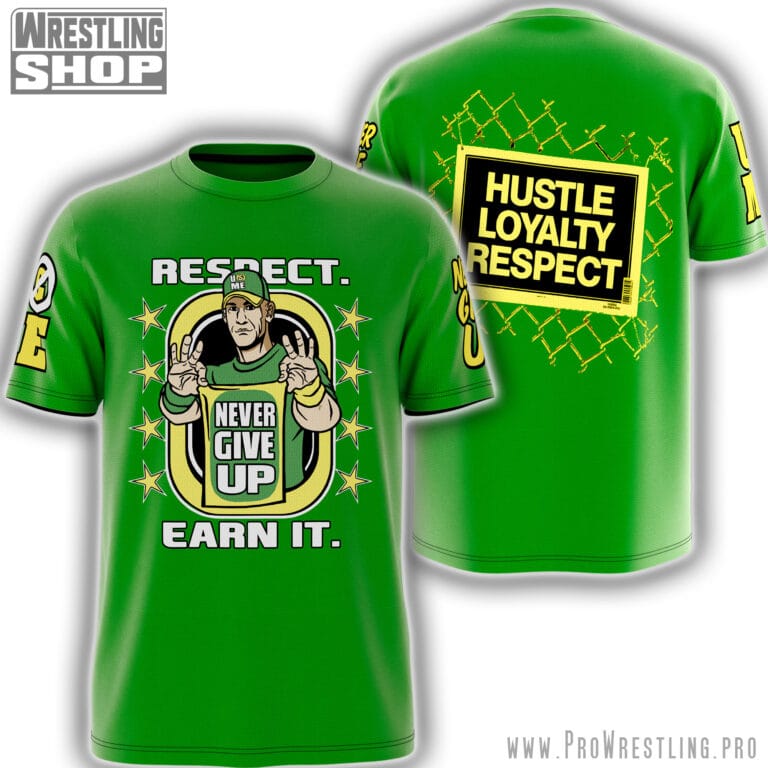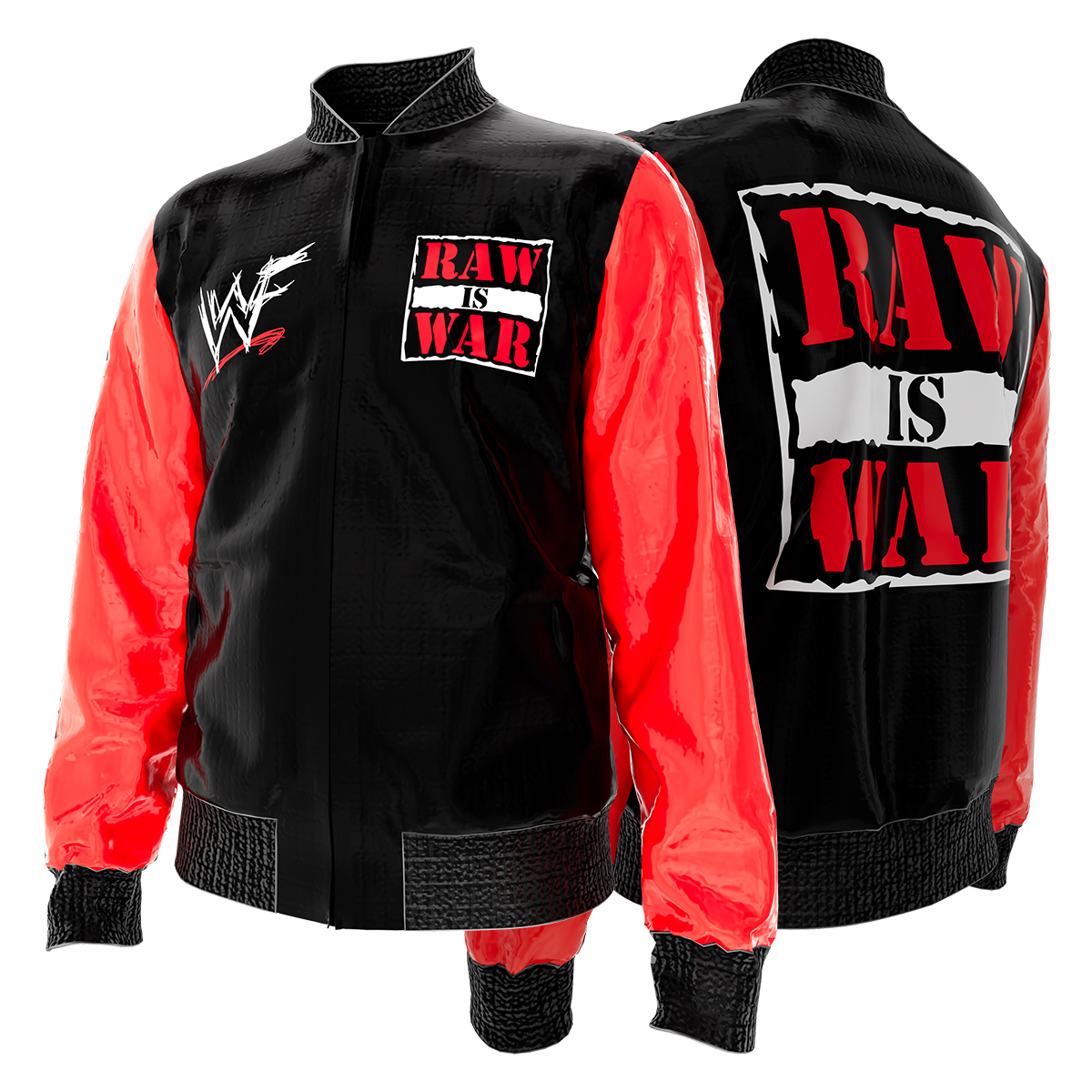

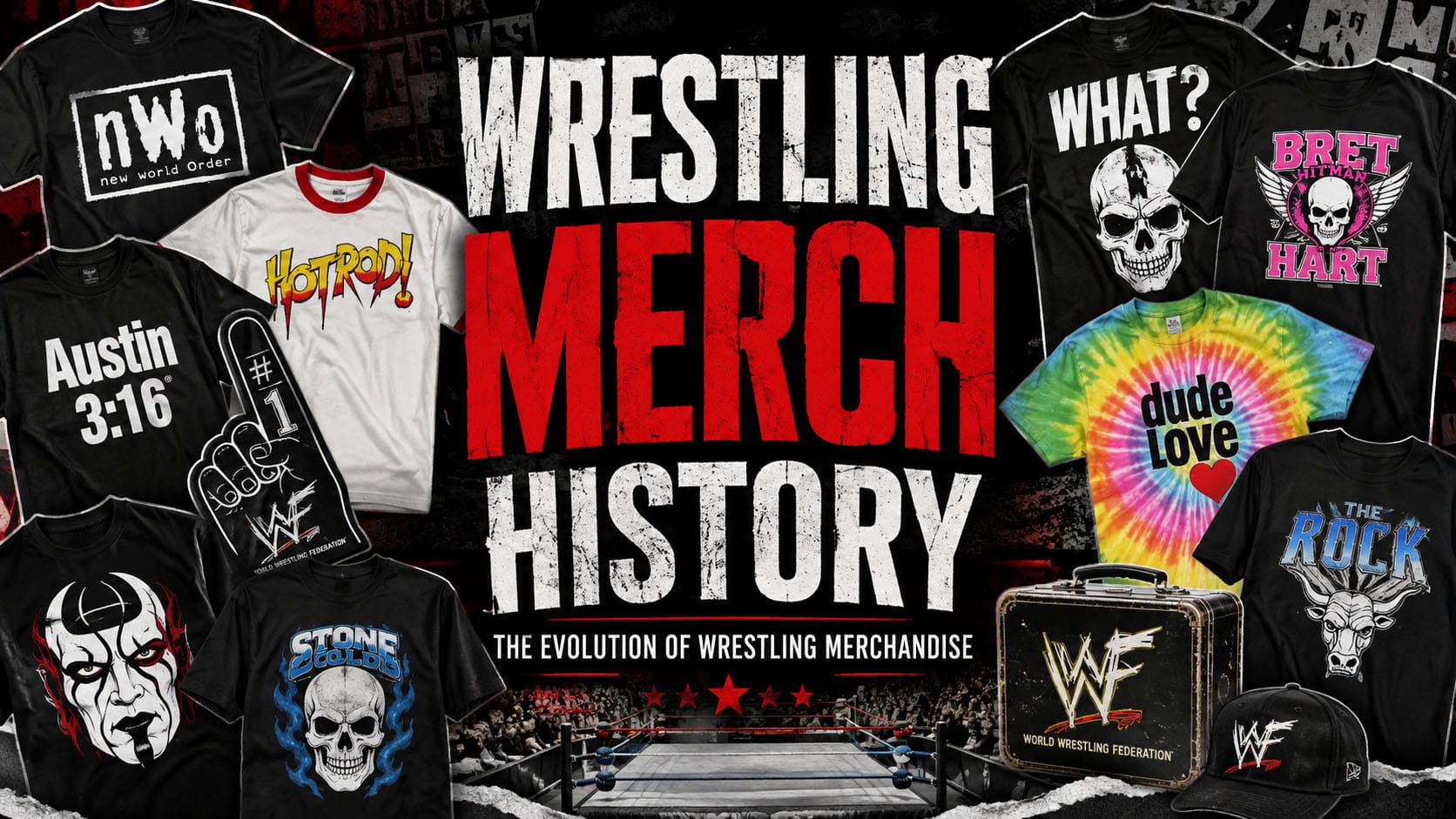
This pro wrestling merchandise history traces how wrestling T-shirts evolved from territory-era souvenirs into Hulkamania, nWo, Austin 3:16, DX, John Cena, indie wrestling and modern fan culture.
That idea sounds obvious now. Wrestling shirts are everywhere. Fans wear them to television tapings, conventions, airports, gyms, bars, schools and ordinary Tuesday afternoons. A logo like nWo, Austin 3:16 or Hulkamania can identify a wrestling fan from across a room before a single word is spoken. But wrestling merchandise did not begin as a fully developed lifestyle business. It evolved alongside the wrestling industry itself.
In the territory era, merchandise was local and practical. In the 1980s, Hulkamania helped turn wrestlers into national consumer brands. In the 1990s, black wrestling shirts became uniforms for entire fan movements. Austin 3:16 and the nWo proved that a piece of cotton could become part of the mythology of a promotion. By the 2000s, John Cena was changing colors as often as wrestling changed seasons. Independent wrestlers later learned to sell directly to fans, while promotions and performers increasingly treated merchandise as part of the character itself.
This is the story of how pro wrestling merchandise became wrestling culture: from regional souvenirs to some of the most recognizable shirts in sports entertainment history.
Why Pro Wrestling Merchandise History Matters
Pro wrestling merchandise history is really the history of how wrestlers became brands and how fans learned to wear their allegiance. The biggest shifts were not merely changes in fabric or printing: territory souvenirs became national licensing, wrestler logos became identity markers, faction shirts became community symbols, and direct-to-fan ecommerce eventually gave performers more control over their own merchandise.
- Territory era: local programs, photos and arena souvenirs created the basic fan-to-wrestler retail relationship.
- 1980s expansion: Hulkamania demonstrated that a wrestler could become a national consumer brand.
- Monday Night Wars: nWo, Austin 3:16 and DX turned shirts into visible statements of fan identity.
- Modern era: wrestlers, promotions and independent talent use merchandise as both storytelling and direct-to-fan business.
The Territory Era: Before Wrestling Merchandise Became a National Business
For most of the twentieth century, professional wrestling in the United States was organized regionally. Promoters operated territories built around local television, arenas and recognizable stars. Fans in Florida followed a different weekly wrestling ecosystem than fans in Texas, Memphis, Georgia, the Carolinas, Portland or the Northeast.
That regional structure naturally shaped merchandise. There was no universal wrestling retail machine capable of putting the same shirt in front of every fan in the country. Programs, photographs, buttons, pennants, magazines and locally produced souvenirs were common ways for fans to take part of the show home. When shirts appeared, they were often promotion-specific or wrestler-specific pieces sold directly where the audience already was: at the arena, through fan clubs, through mail order or from local outlets.
The important idea was already present, though. Wrestling had always depended on identity. A fan did not merely watch a hero. The fan chose a side. Merchandise made that choice visible.
The territory system also produced an enormous variety of visual language. Championship logos, television logos, arena names and wrestler nicknames became recognizable inside their own markets. That regional identity is one reason old territory merchandise is so compelling to collectors today: a surviving shirt or program is not merely an old object. It is evidence of a wrestling world that no longer exists in the same form.
For a deeper look at that regional ecosystem, see our history of Championship Wrestling from Florida, one of the classic territories where television, local stars and arena business worked together week after week.
The 1980s: Hulkamania Turns Wrestling Into a Wearable Brand
The national expansion of the World Wrestling Federation in the 1980s changed almost every part of the wrestling business, and merchandise was no exception. Cable television, syndicated programming, pay-per-view, celebrity involvement and aggressive national promotion created a scale that regional wrestling had rarely attempted.
At the center of it was Hulk Hogan.
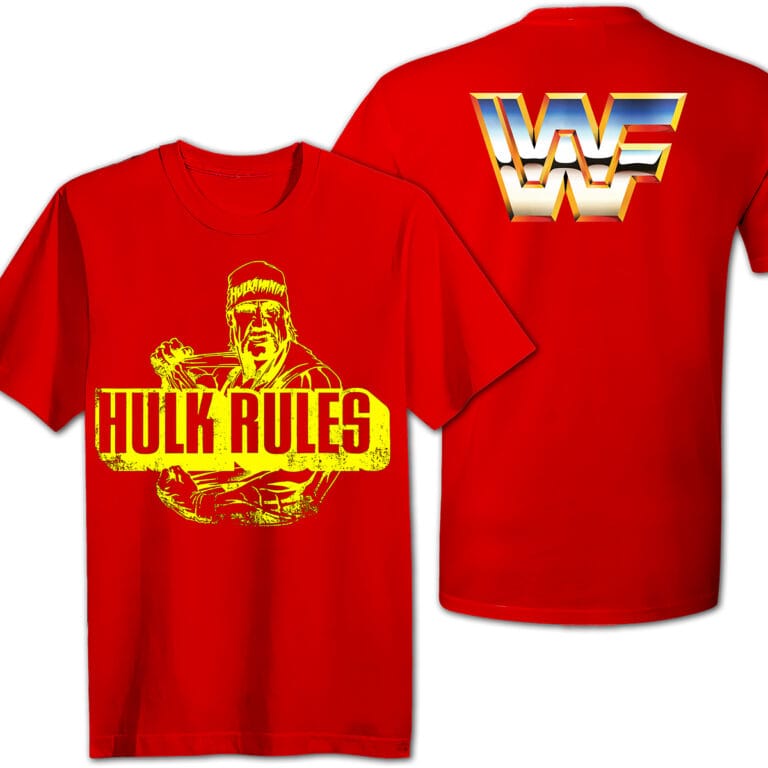
Hogan was not the first wrestler to have merchandise, but Hulkamania demonstrated how completely a wrestling persona could become a consumer identity. The red-and-yellow color palette, the Hulkamania name, the ripped shirt, the headband and the larger-than-life presentation all worked together. The clothing was not separate from the character. It was part of the character.

That mattered because wrestling fandom was becoming more public. A child wearing Hulkamania was not just wearing a souvenir from a show; the shirt announced membership in a massive national fan base. Wrestling companies could now sell not only an event but an identity that lasted long after the bell rang.
The boom also expanded the kinds of merchandise fans expected. Shirts, hats, toys, posters, lunch boxes, foam accessories, home video and countless licensed products made wrestlers feel more like entertainment franchises. The groundwork was being laid for a future in which a top wrestler’s logo might be nearly as important commercially as the wrestler’s entrance music.
Wrestling Shirts Become Part of the Gimmick
By the late 1980s and early 1990s, the best wrestling merchandise increasingly worked because it distilled a character into a symbol, phrase or instantly readable image. A great wrestling shirt did not need to explain the entire gimmick. It only needed to trigger recognition.
The Undertaker offered a very different example from Hulk Hogan. Where Hulkamania was bright, heroic and loud, Undertaker merchandise leaned into darkness, gothic imagery and the mythology of the Deadman. That visual consistency allowed the character to survive multiple changes in wrestling fashion while remaining unmistakable.
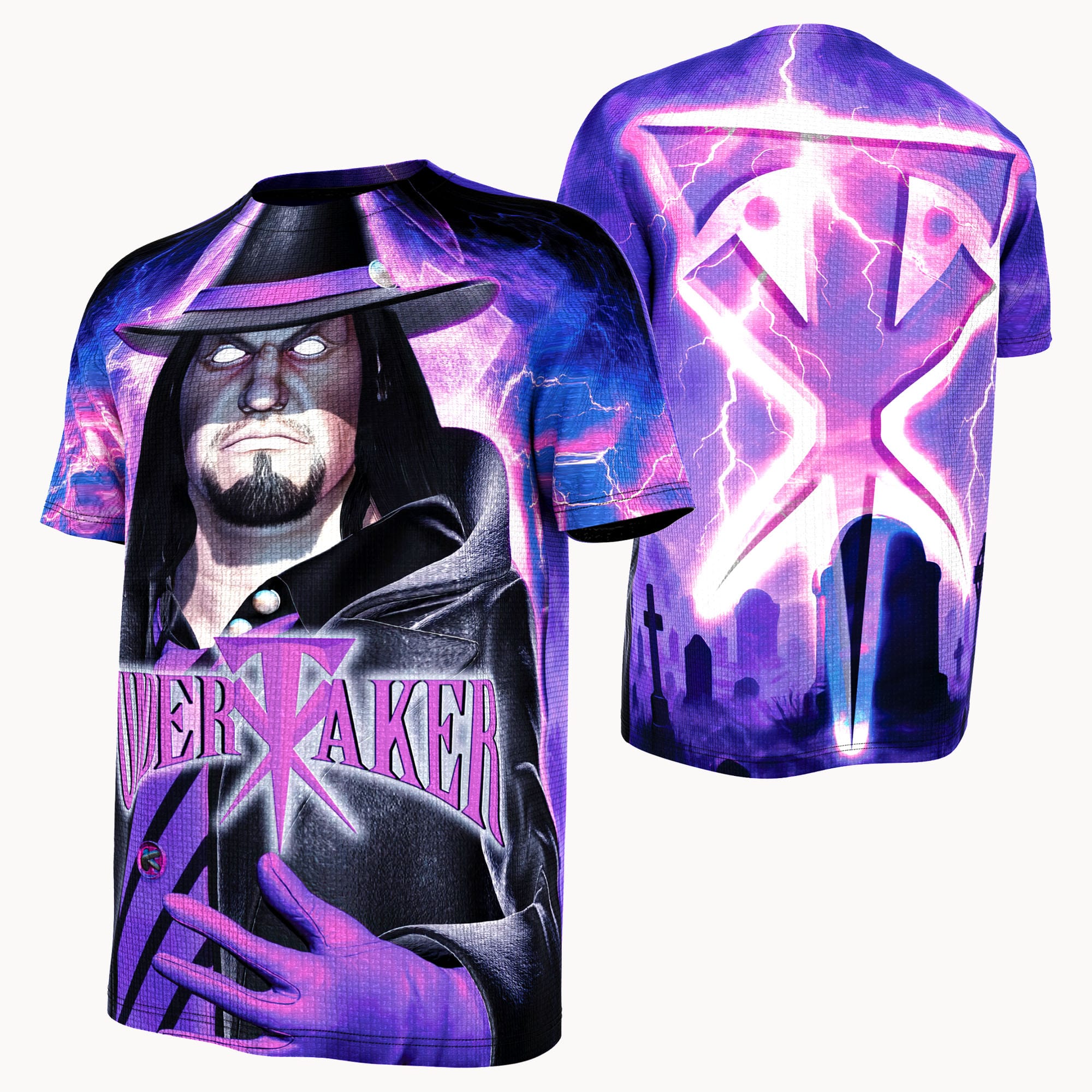
The strongest wrestling shirts were becoming visual shorthand. Fans did not have to see a full portrait of a wrestler. Colors, fonts, logos and slogans were enough. That shift would become explosive once wrestling entered the Monday Night Wars.
The Monday Night Wars: Merchandise Becomes Tribal
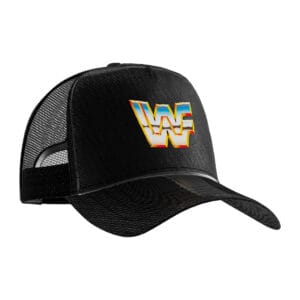
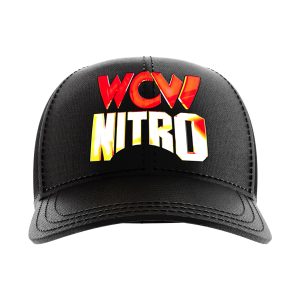
When WCW Monday Nitro launched in 1995 and the WWF responded by transforming its own presentation, wrestling entered an era where fans did not merely follow wrestlers; they identified with promotions, factions and philosophies. Merchandise became one of the clearest ways to display that allegiance.
No shirt captured that shift more efficiently than the black-and-white nWo design.
The New World Order was built around the idea that Scott Hall and Kevin Nash represented an invading force, and Hulk Hogan’s heel turn at Bash at the Beach 1996 gave the group its defining shock. The nWo logo looked deliberately rough, almost like graffiti or a stencil. That visual language mattered. It rejected the polished superhero aesthetic associated with Hogan’s earlier career and made the faction feel dangerous, contemporary and anti-establishment.
Hulk Hogan joins Scott Hall and Kevin Nash to form the nWo at Bash at the Beach 1996. Video: WWE Vault.
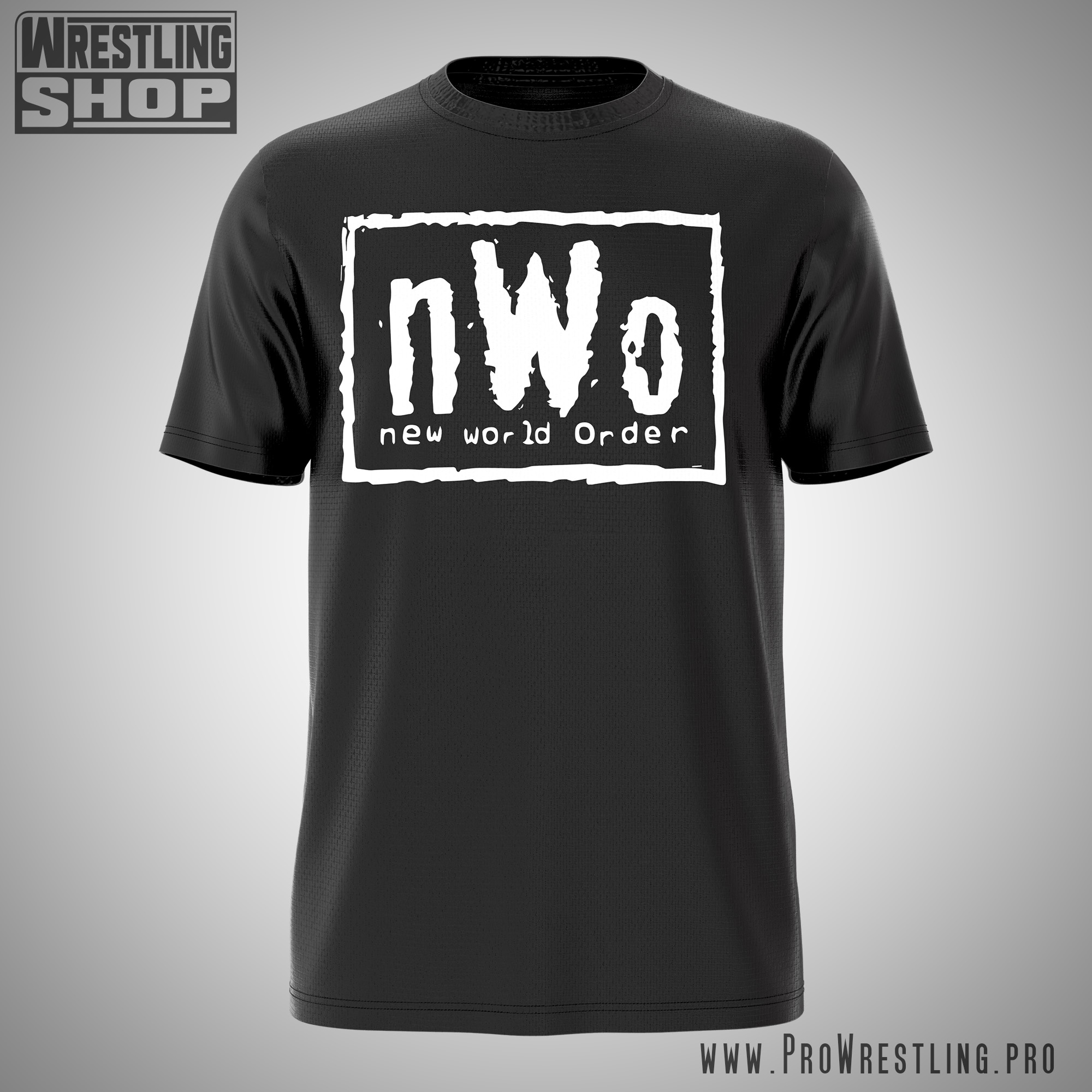
WWE later ranked the nWo shirt among the greatest wrestling shirts ever and noted that the design rivaled Austin 3:16 in ubiquity while breaking WCW sales records at the height of the company’s popularity. That is an important distinction: this was no longer just a souvenir attached to a wrestler. The shirt represented membership in a movement.
The black tee also became the dominant canvas for late-1990s wrestling merchandise. Black worked visually with television lighting, arena crowds, denim, leather jackets and the harder alternative aesthetic of the era. It also made white logos and bright accent colors explode off the fabric. Wrestling shirts were beginning to look less like novelty merchandise and more like streetwear.
WCW repeatedly capitalized on that visual identity through nWo variations, Wolfpac red-and-black designs and Nitro branding. The merchandise reflected the same fragmentation that drove television stories: fans could declare themselves WCW, nWo Hollywood, Wolfpac or simply fans of individual stars.
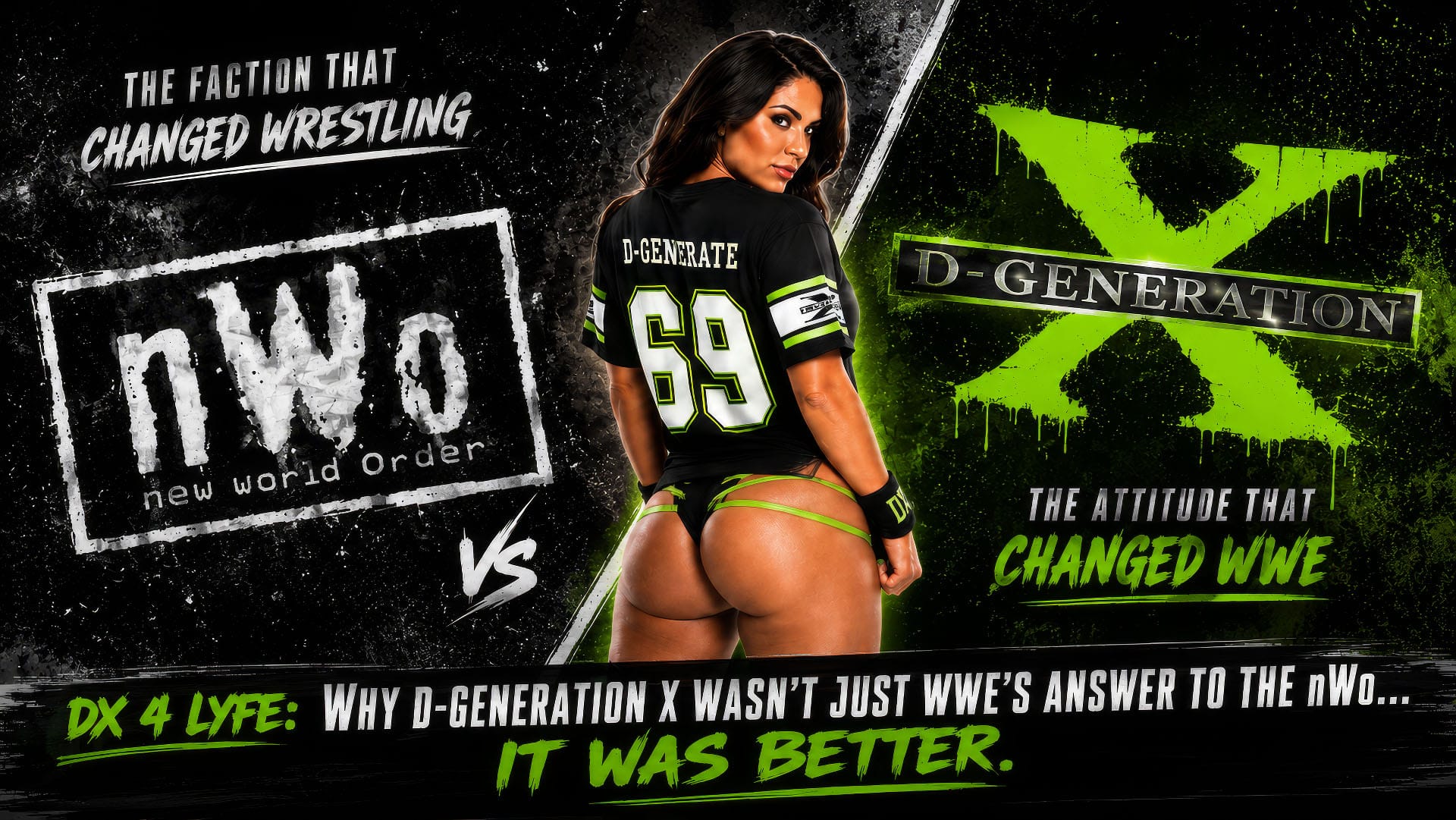
Our history of D-Generation X and the nWo rivalry goes deeper into how the two factions became competing symbols of the Monday Night Wars.
Austin 3:16: The Wrestling Shirt That Became a Cultural Artifact
If the nWo shirt represented faction identity, Austin 3:16 demonstrated the power of a phrase.
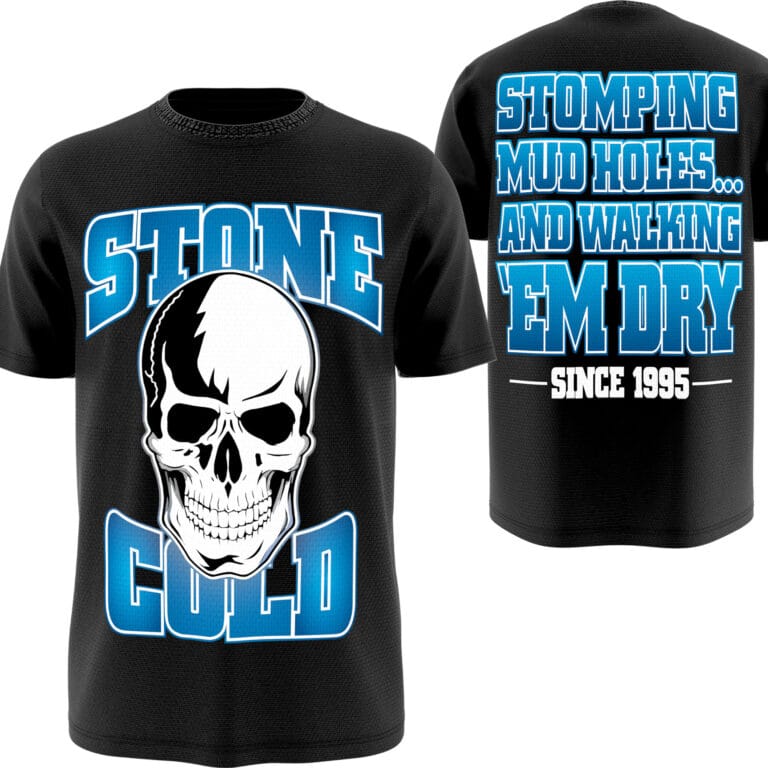
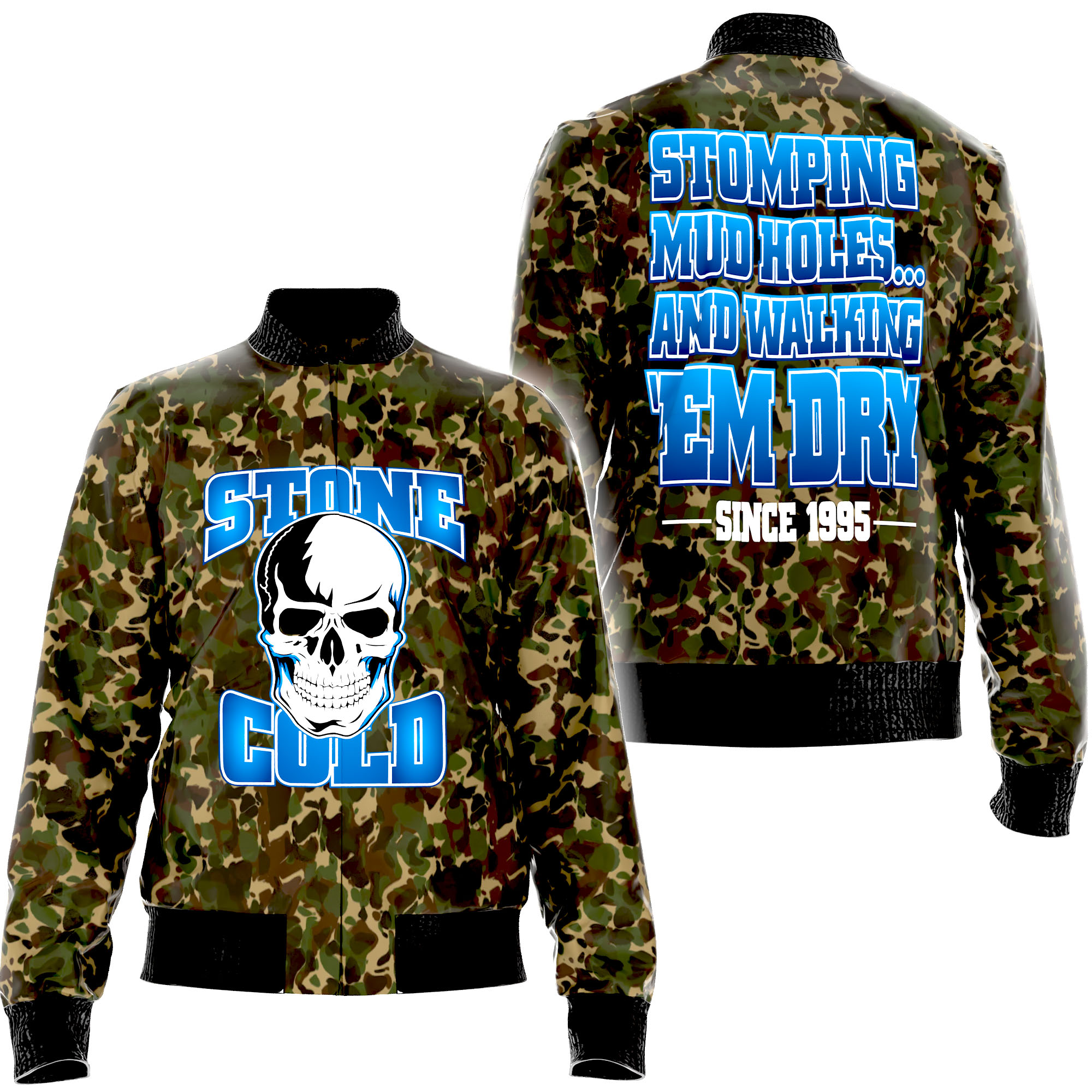
At King of the Ring on June 23, 1996, Steve Austin defeated Jake Roberts in the tournament final and delivered the interview that transformed his career. His line about Austin 3:16 was immediate, blunt and perfectly suited to the emerging version of the character. WWE has described the original Austin 3:16 shirt as the most popular WWE garment of all time, and Austin himself later recalled proposing the simple front text with a skull design on the back after King of the Ring.
Steve Austin delivers the King of the Ring 1996 speech that gave wrestling its most famous merchandise slogan. Video: WWE.
The genius of Austin 3:16 was simplicity. It was not a detailed illustration. It did not require a photograph. The phrase functioned as a code. If you understood it, you were inside the joke and inside the movement.

That lesson still shapes wrestling merchandise today. The strongest designs often reduce a wrestler to the smallest possible recognizable unit: one word, one logo, one number, one color combination. Austin 3:16 proved a catchphrase could be more commercially durable than an elaborate portrait.
It also arrived at exactly the right cultural moment. Austin’s anti-authority character connected with an audience that wanted wrestling to feel less sanitized. The shirt became a wearable extension of that rebellion. Fans could bring the attitude of the character into schools, workplaces and public spaces without needing to explain anything.
D-Generation X and the Art of Merchandising Attitude
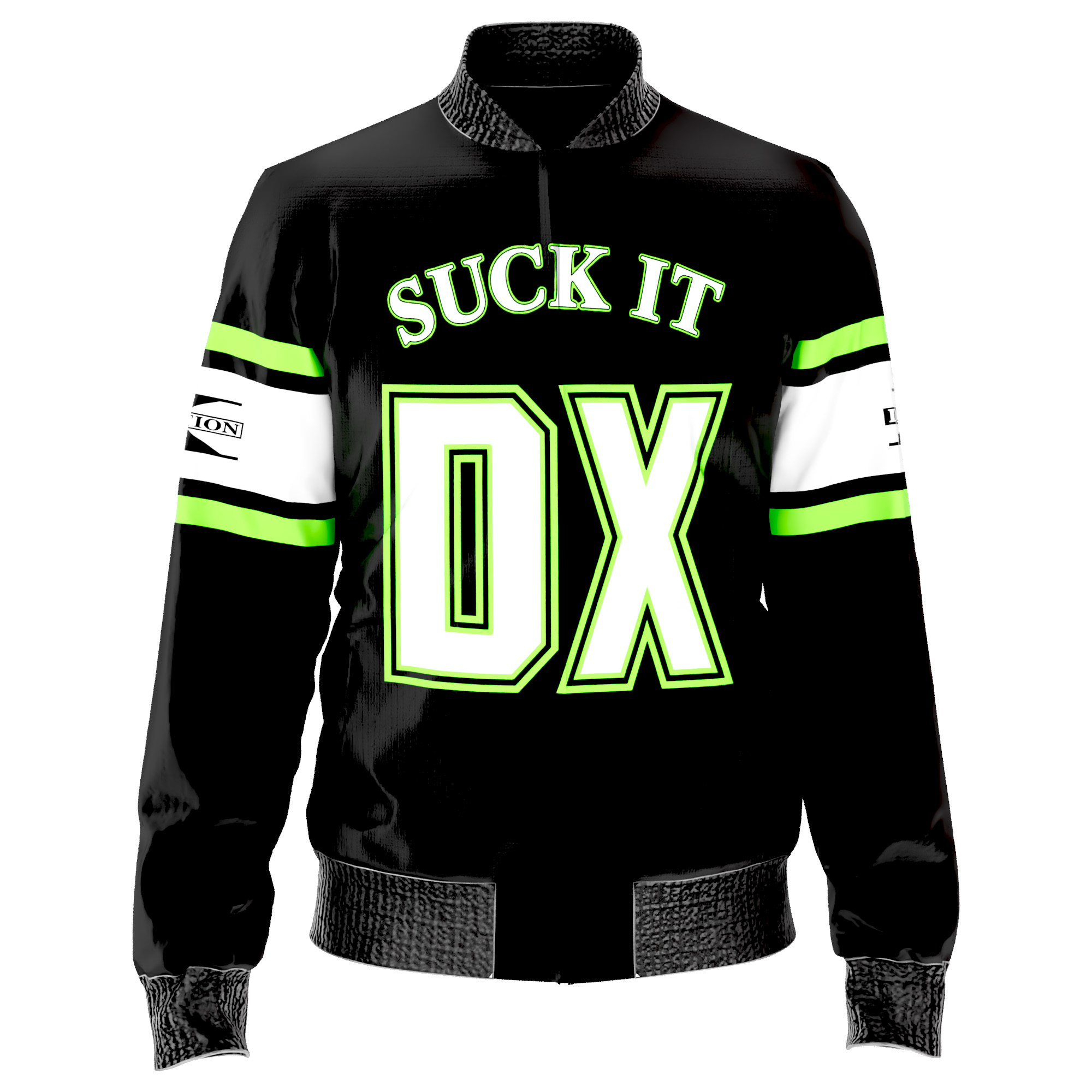
D-Generation X pushed the same idea in a different direction. DX merchandise used neon green, black, military parody, graffiti-like graphics and one of the era’s most recognizable two-letter logos. The faction’s presentation was deliberately juvenile, confrontational and self-aware, and its merchandise mirrored that tone.

The nWo and DX demonstrated how factions could create broader merchandise ecosystems than individual wrestlers. A fan could support the whole group, then buy separate items connected to Triple H, Shawn Michaels, Chyna, X-Pac or other members. The faction logo acted as an umbrella brand.
That structure remains common. Modern wrestling groups are often built with visual branding in mind because factions produce repeated opportunities for shirts, hats, hoodies and alternate designs. Wrestling had learned that a stable could function not only as a storytelling device but as a merchandise platform.
ECW: Underground Wrestling, Underground Aesthetic
Extreme Championship Wrestling operated on a smaller scale than WWF or WCW, but its cultural influence was enormous. ECW merchandise reflected the promotion’s identity: raw, confrontational and proudly outside the mainstream.
ECW fans often treated promotion loyalty like membership in a subculture. Wearing an ECW shirt communicated that you knew the alternative. It said that you were watching something more violent, more intimate and less corporate than the national competition.
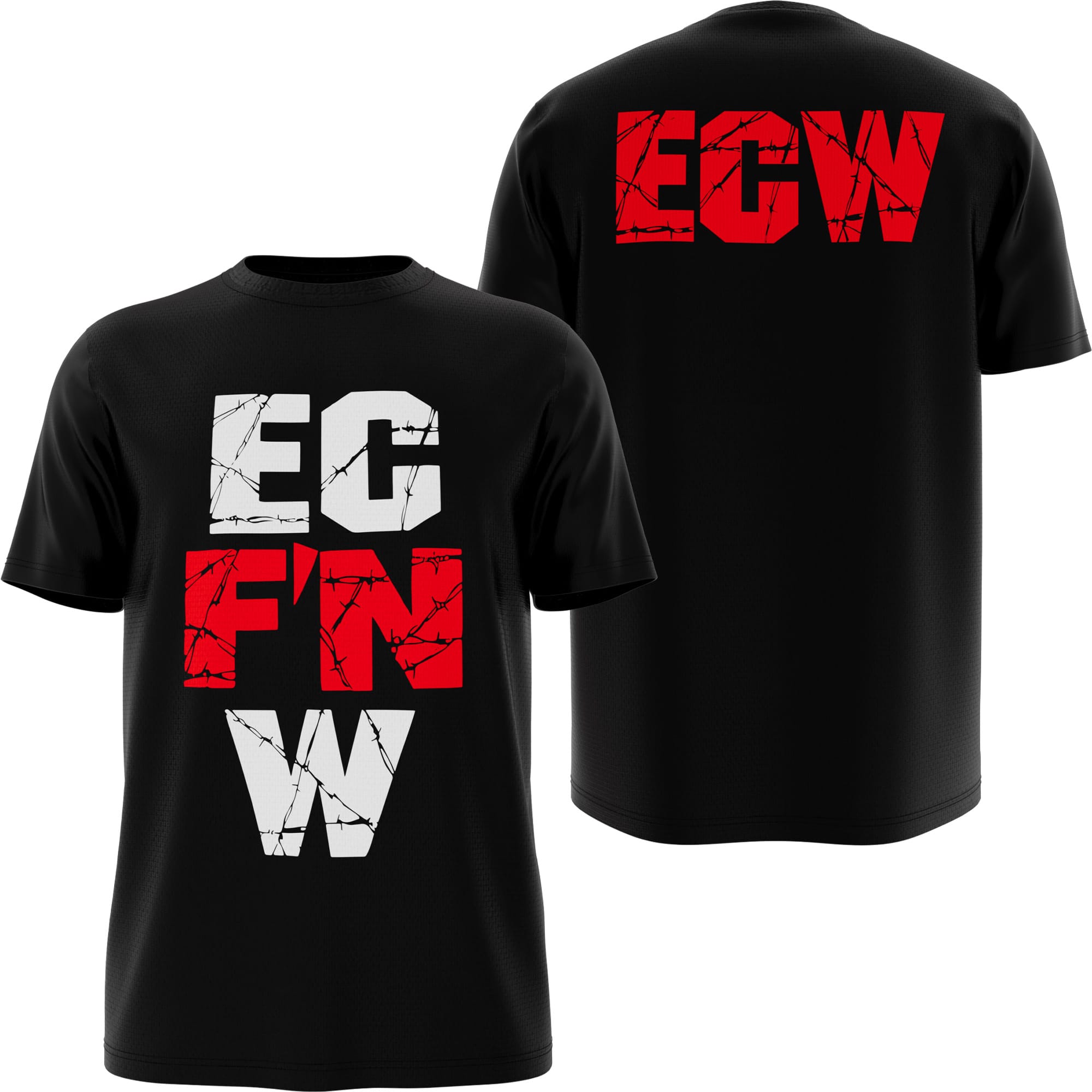
The relationship between promotion and fan was unusually personal. ECW’s core audience did not simply consume the product; it defended it. That intensity made merchandise a badge of credibility. Decades later, ECW logos still carry that meaning for fans who associate the promotion with an alternative vision of American wrestling.
For the full promotion story, read The Rise and Fall of ECW.
The Ruthless Aggression Era: Wrestling Merch Gets Brighter, Faster and More Character-Driven
After WCW and ECW closed in 2001, the wrestling business entered a different commercial landscape. WWF became WWE in 2002, the Monday Night Wars were over, and a new generation had to establish itself without the same head-to-head promotional battle that had defined the late 1990s.
Merchandise changed with the talent. The early and mid-2000s produced shirts that leaned heavily into individual gimmicks, catchphrases and character-specific color schemes. Rey Mysterio, Batista, Randy Orton, Eddie Guerrero, Edge and others each developed recognizable visual identities, while established names such as Triple H, Undertaker and Shawn Michaels continued to evolve their merchandise for a new audience.
John Cena became the clearest example of how merchandising could become part of an ongoing character strategy.
John Cena accepts Kurt Angle’s open challenge on SmackDown in 2002, the beginning of a career that would become one of WWE’s greatest merchandise machines. Video: WWE.
Cena’s early Doctor of Thuganomics presentation leaned on hip-hop imagery, jerseys, chains and sports-inspired design. As his character evolved into the face of WWE, the merchandise became brighter and more modular. Shirts, caps, wristbands and slogans could change color from one release to the next while still remaining recognizably Cena.

Cena demonstrated that merchandise could refresh a top star without changing the underlying character. New colorways created a reason for repeat purchases. A slogan could remain consistent while graphics evolved. A hat or wristband could become part of the entrance presentation and then immediately become a retail product.
That approach anticipated a modern merchandising rhythm in which new designs can be tied to major events, seasons, championships, returns and storyline moments. The wrestling shirt was no longer just a permanent logo. It could become a recurring release cycle.
For a full look at that period, read our complete history of WWE’s Ruthless Aggression Era and the complete career of John Cena.
CM Punk and the Power of the Wrestler as a Brand
By the late 2000s and early 2010s, fans were increasingly comfortable following individual wrestlers across promotions, media appearances and online communities. A wrestler’s identity could become larger than a single television storyline.
CM Punk is one of the clearest examples. His straight-edge iconography, taped fists, Chicago identity and Best in the World messaging created a visual brand that remained recognizable through major career transitions. His merchandise did not depend on one single logo in the way Austin 3:16 had, but it repeatedly returned to a consistent set of symbols and ideas.

This is a broader shift in wrestling culture: fans increasingly buy merchandise because they identify with a performer as a personality, not merely because that performer currently holds a championship or appears in the main event. Podcasts, social media, documentaries and direct fan interaction strengthened that relationship.
The Independent Wrestling Revolution: Merch Goes Direct to the Fan
Independent wrestling changed the economics of merchandise in another important way. For decades, the major promotional machine had been the easiest route to national merchandise distribution. The internet weakened that gatekeeping power.
Independent wrestlers could build websites, sell shirts at their merchandise tables, promote releases through social media and reach fans far beyond the towns where they actually wrestled. Merchandise became one of the most direct revenue streams available to performers who did not have major television contracts.
The merch table became part storefront, part meet-and-greet and part community center. Fans could watch a wrestler perform, walk across the venue, buy a shirt directly from that wrestler and often have a conversation at the same time. That intimacy strengthened the emotional value of the item. The shirt was connected to a memory, not merely an online transaction.
Print-on-demand technology and easier ecommerce tools expanded the possibilities even further. Wrestlers no longer needed huge production runs to test a design. Smaller quantities, rapid releases and niche references became commercially realistic.
This period also encouraged more experimentation. Independent wrestling shirts borrowed from punk, metal, comic books, streetwear, skate culture, tattoo art, retro sports logos and internet humor. Some designs barely looked like wrestling merchandise at all unless the viewer recognized the reference.
Bullet Club and the Streetwear Crossover
One of the most important modern examples of wrestling merchandise crossing beyond the traditional fan base came from Bullet Club. Formed in New Japan Pro-Wrestling in 2013, the faction developed a skull-heavy black-and-white visual identity that translated naturally to shirts and hoodies.
Bullet Club merchandise became common at wrestling events far beyond Japan and helped demonstrate how a wrestling faction logo could function like a streetwear mark. The success of the design also echoed earlier lessons from the nWo: simple color palette, strong symbol, clear group identity and a sense that wearing the shirt meant joining the club.
The larger importance of the indie and international merchandise boom was that wrestling fashion no longer flowed only from one American promotion outward. Fans could encounter designs connected to Japan, Mexico, British wrestling and independent promotions through online stores and social media. Wrestling merchandise became global in a new way.
Modern Wrestling Merch: The Catchphrase Can Become the Product Overnight
Today, wrestling companies and performers operate in an environment where a phrase can catch fire on television and become merchandise almost immediately. Social media accelerates recognition. Online storefronts remove the delay between a television moment and a retail opportunity. Fans expect fresh designs tied to current characters, returns, factions and memes.
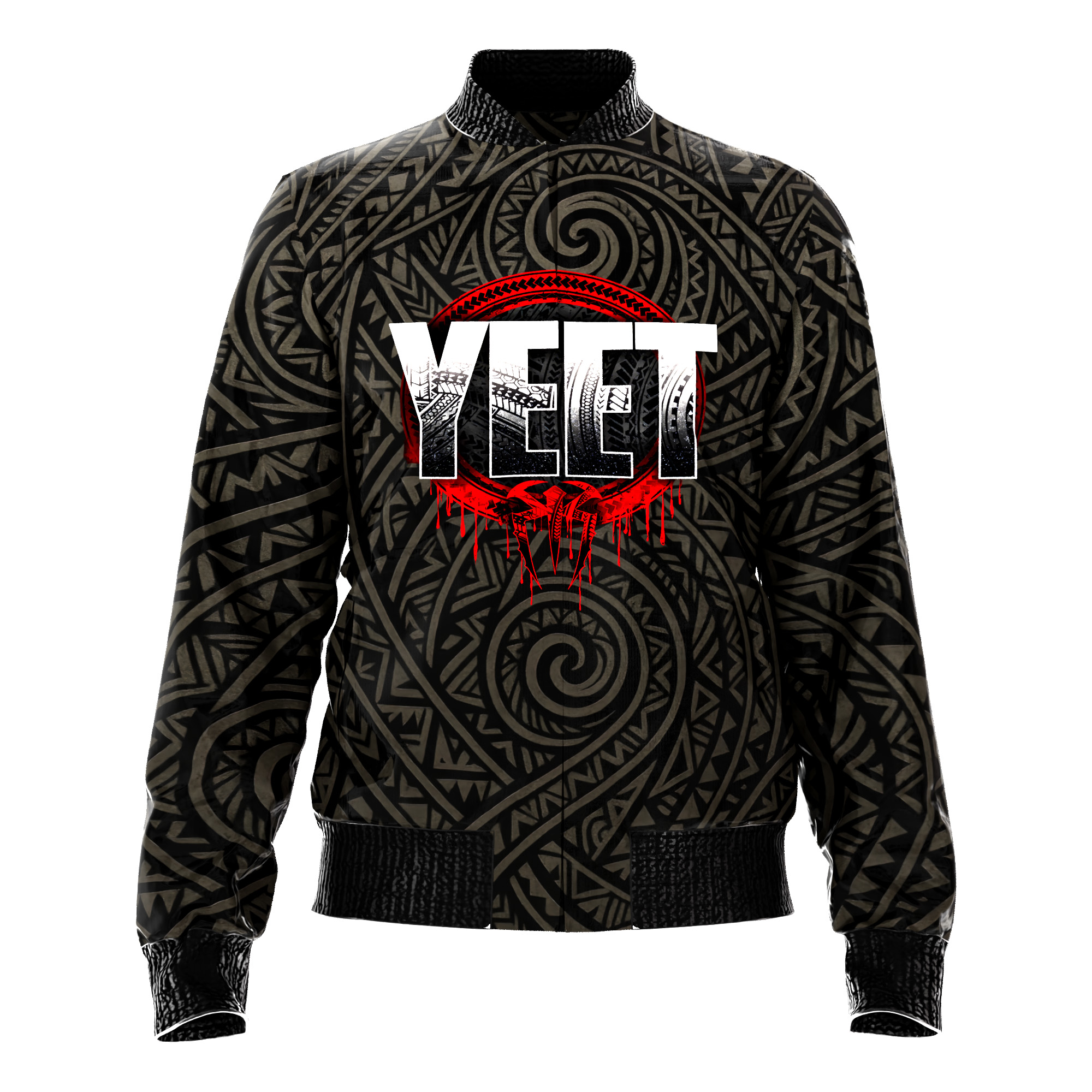
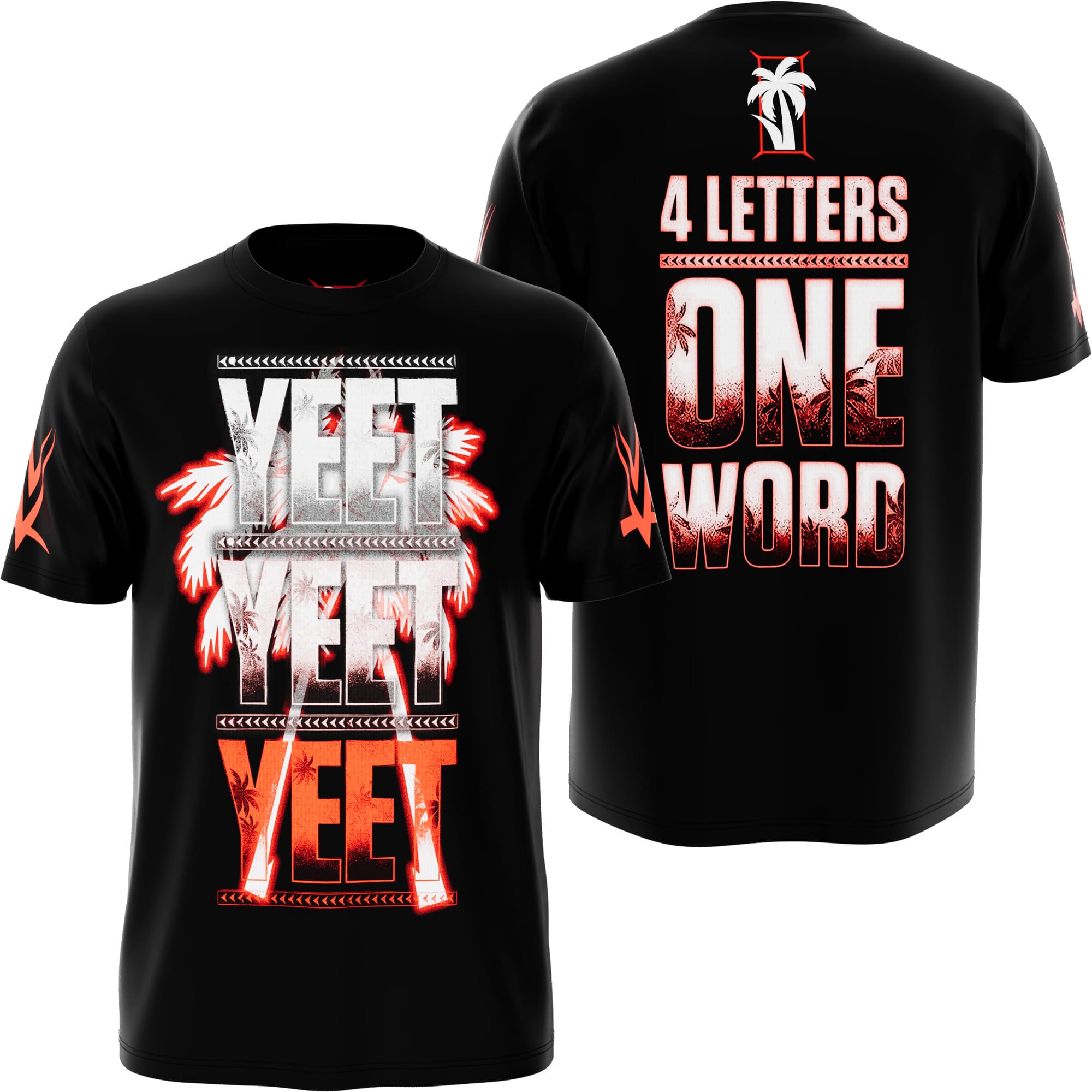
Jey Uso’s YEET merchandise is a strong example of the modern catchphrase model. One word is enough. The design does not need to explain who Jey Uso is because the audience already understands the context.
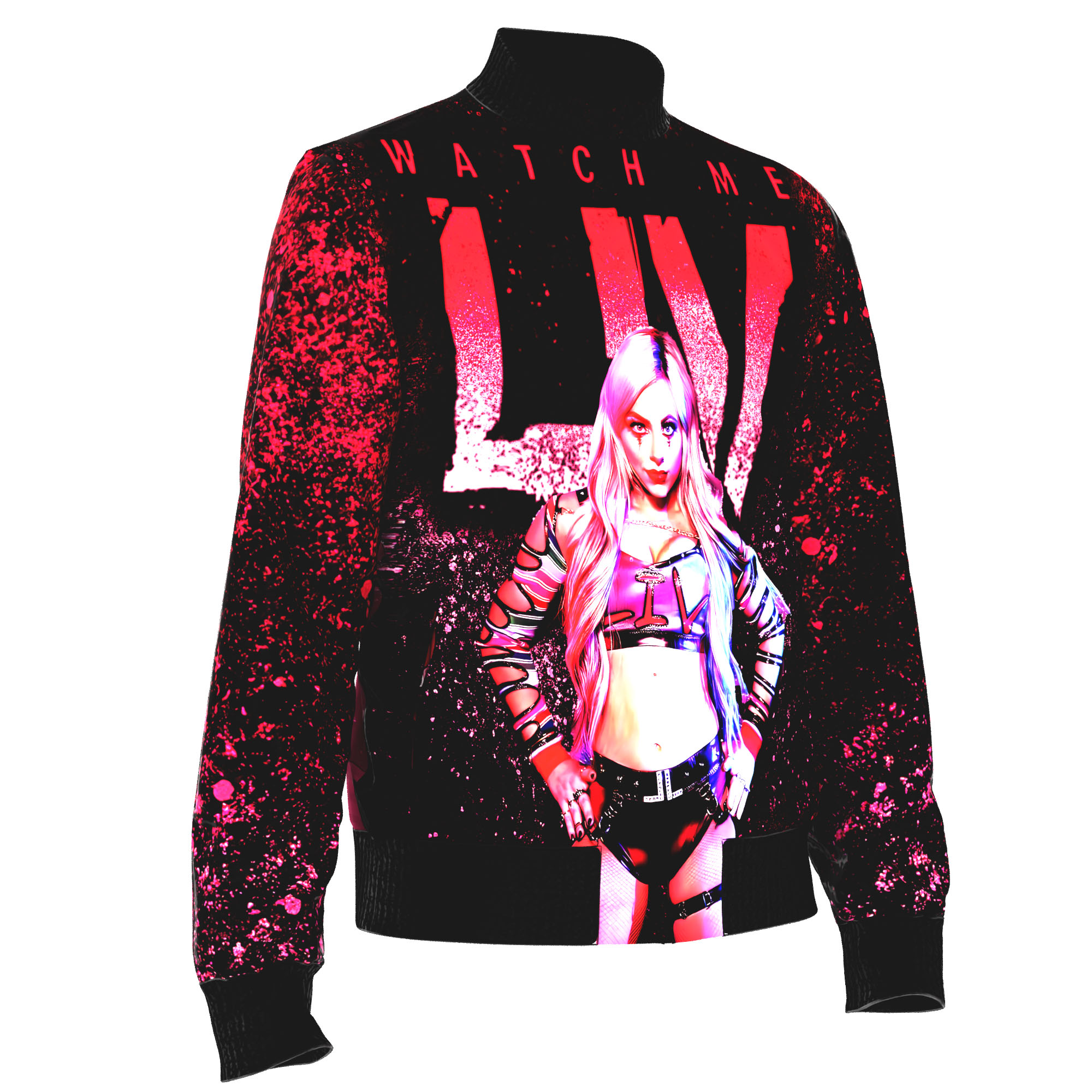
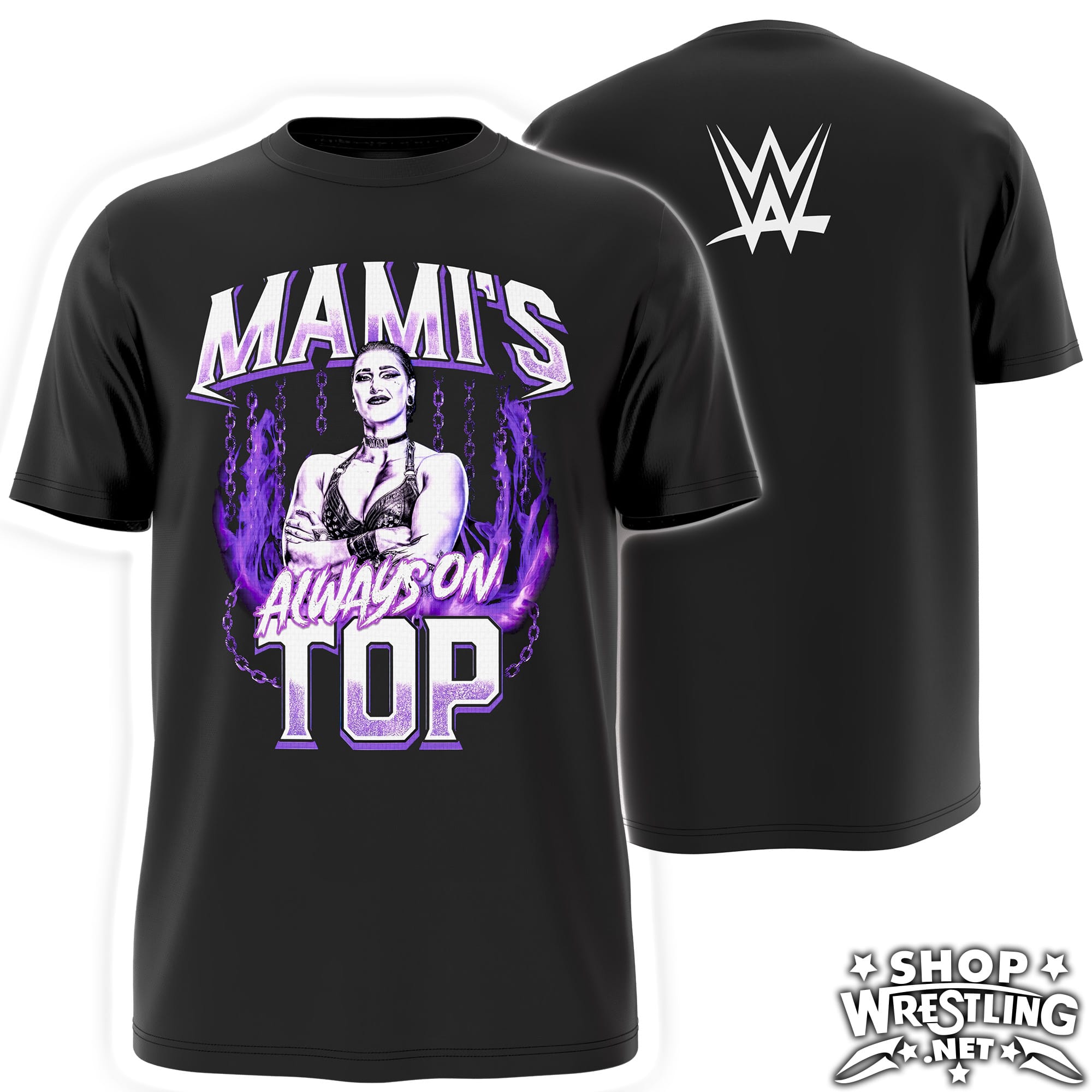
Rhea Ripley provides another model. Her merchandise draws from the visual language of her character: dark tones, aggressive typography, tattoo-inspired graphics and the Mami identity. Instead of one isolated catchphrase, the merchandise reinforces an entire aesthetic.
The modern merchandise cycle is faster than ever, but the basic rule has not changed since the territory days: fans buy identity. The technology is different. The scale is different. The emotional mechanism is remarkably similar.
Why Vintage Wrestling Shirts Became Collectibles
Old wrestling shirts now occupy an unusual space between sports memorabilia, music-style vintage apparel and pop-culture collecting. A shirt originally purchased for a few dollars at an arena can become valuable decades later because so few examples survived in wearable condition.
Several forces drive that interest. Scarcity matters, especially for territory-era pieces, short-lived gimmicks, defunct promotions and shirts sold only at particular events. Cultural significance matters too. Merchandise connected to a transformative moment such as Hulkamania, the nWo or Austin 3:16 carries historical weight that goes beyond the fabric.
Condition is important, but wrestling collectors do not always seek perfection. Fading, cracked ink and an older blank can be part of the appeal because those details communicate age. At the same time, reproductions and modern retro designs allow fans to wear classic imagery without risking a fragile original.
The collecting boom also reveals something important about wrestling memory. Television episodes can be rewatched. Match results can be looked up. But a shirt is physical. It may remind someone of the first event they attended, the wrestler they copied as a child or the exact period when they became obsessed with wrestling.
What Makes a Wrestling T-Shirt Iconic?
Looking across the history, the most enduring designs tend to share a few qualities.
They are immediately readable. Austin 3:16, nWo, DX and YEET work from across an arena. The viewer does not need several seconds to decode the design.
They belong to the character. Great merchandise feels inevitable. Hulkamania in red and yellow makes sense. Undertaker imagery should feel dark. DX should look disruptive. The shirt reinforces the performer instead of merely placing a photograph on cotton.
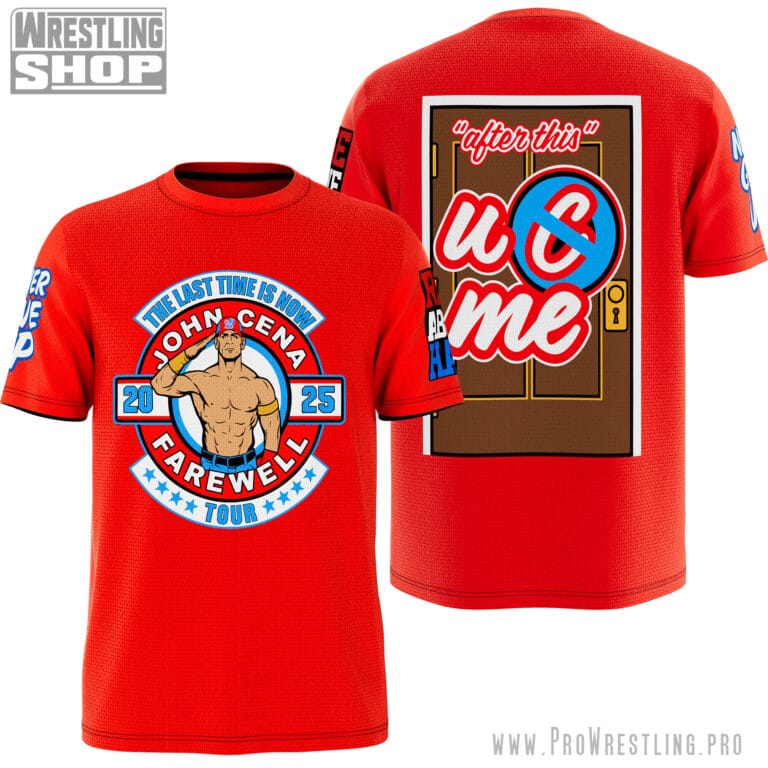
They connect to a moment. The strongest wrestling merch often carries a story. Austin 3:16 points back to King of the Ring. nWo black and white points back to the hostile takeover of WCW. A farewell-tour shirt captures a particular chapter of a career.
They create community. A wrestling shirt is a signal. Two strangers can recognize the same logo and immediately know they share some piece of wrestling history.
They can outlive the storyline. Television moves quickly. Iconic merchandise does not. Decades after the original angles ended, fans still wear nWo, DX, ECW, Austin and Hulkamania designs because the visual identities became larger than the weekly story.
From Souvenir to Identity
The history of wrestling merchandise is ultimately the history of wrestling learning how to package emotion.
Territory promoters sold fans a memory of a local hero. Hulkamania turned national wrestling stardom into a color palette. The nWo made a faction shirt feel like membership in an outlaw club. Austin 3:16 transformed one promo line into a cultural symbol. DX made attitude wearable. ECW made underground credibility wearable. Cena built an evolving merchandise system around slogans and colors. Independent wrestlers used ecommerce to connect directly with supporters. Modern stars can turn a catchphrase into a shirt while the crowd is still chanting it.
Yet the fan experience underneath all of it remains familiar. Someone sees a shirt and thinks: that is my wrestler, my era, my promotion, my memory.
That is why retro wrestling merchandise keeps returning. Fans are not simply buying old logos. They are buying access to wrestling history. Seen as a whole, pro wrestling merchandise history is a record of how wrestling moved from local attraction to national entertainment brand, subculture and global fan identity.
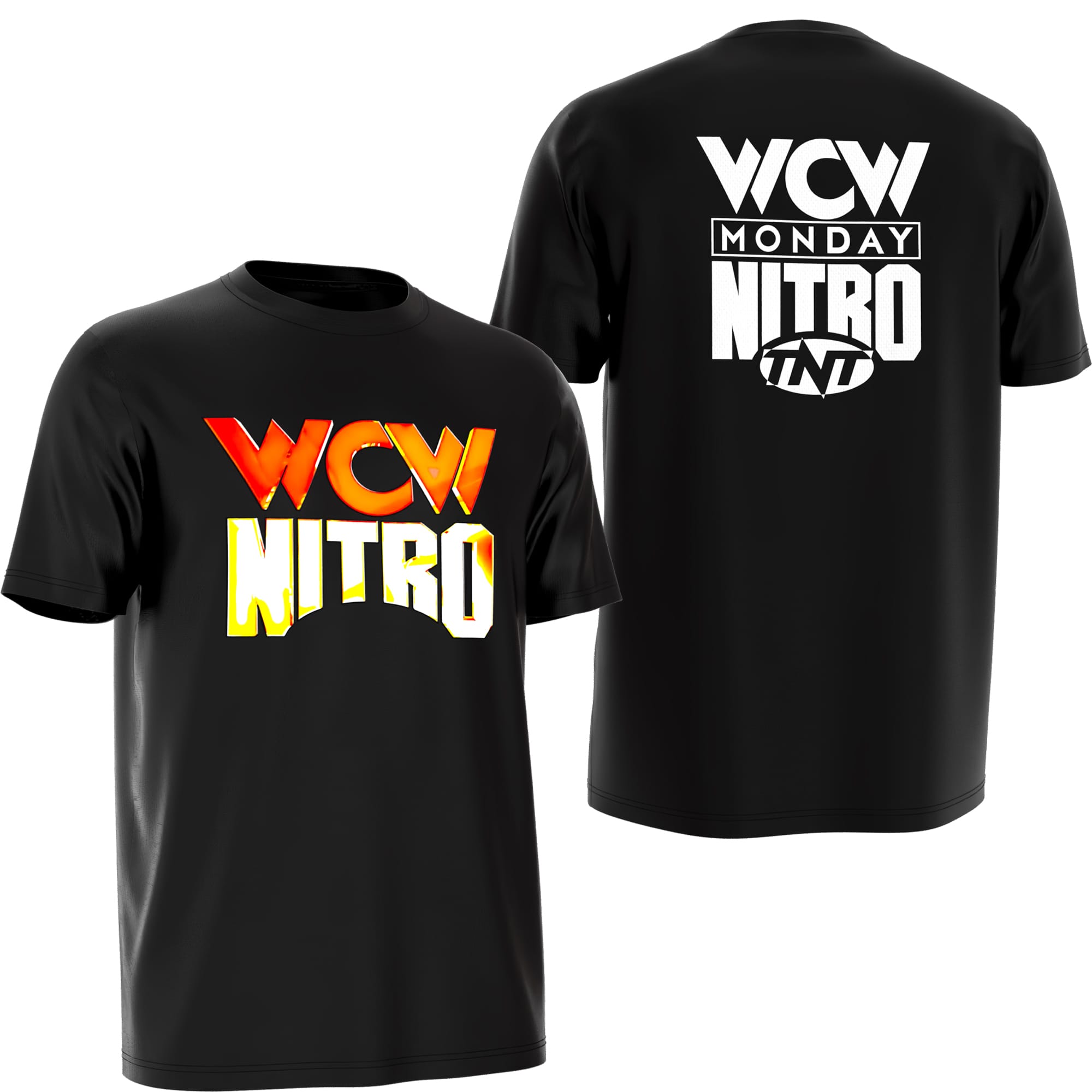
Explore Wrestling History Through the Shirts
WrestlingTees.net is built around that connection between the history and the merchandise. Our catalog includes designs inspired by the wrestlers, factions, promotions and eras that shaped professional wrestling, from Hulkamania and WCW to the Attitude Era, Ruthless Aggression and today’s stars.
Browse the WrestlingTees.net shop, explore our wrestling history and news archive, or follow the individual product links throughout this article to see how classic wrestling imagery continues to live on through modern apparel.
Sources and Further Reading
- WWE: The 15 Greatest T-Shirts in Wrestling History
- WWE interview: Steve Austin on the creation and success of Austin 3:16 merchandise
- WWE: The history of Austin 3:16 Day
Historical merchandise evolves constantly as promotions reissue classic designs and performers develop new identities. This article focuses on the major cultural shifts that made wrestling apparel part of the history of the business itself.